Public Relations & Reputation Defense









Facts. Strategy. Reach.

Reputation defense matters because some wrongs do not get fixed quietly, and some attacks cannot be ignored. That is why our public relations work starts with something most firms lack: a licensed investigative agency behind every story. First, we establish the facts and package them the way journalists need to receive them. Then we bring them to reporters who trust our work. We also amplify them to an audience that is already paying attention. When you are the target of a false narrative, the same approach replaces it with a documented one.
Florida Class A Private Investigative Agency · License No. 3500181 · Confidential
Journalists Need Evidence, Not Outrage.
Most people who try to get media attention on their own fail. Usually, it is not because their story is unimportant. A reporter cannot publish just because someone is angry. Instead, a reporter needs documents, a timeline, and a credible source who can be named or protected. They also need a clear account of what happened. Finally, they need a reason it matters beyond the person it happened to.
That is why our public relations work begins with investigation. Before we approach a single reporter, we establish the facts and organize the evidence. Next, we identify what we can substantiate and what we cannot. Then we build the story on the parts that hold up. After all, journalists treat a sourced package from a licensed investigative agency very differently from a grievance in an inbox.
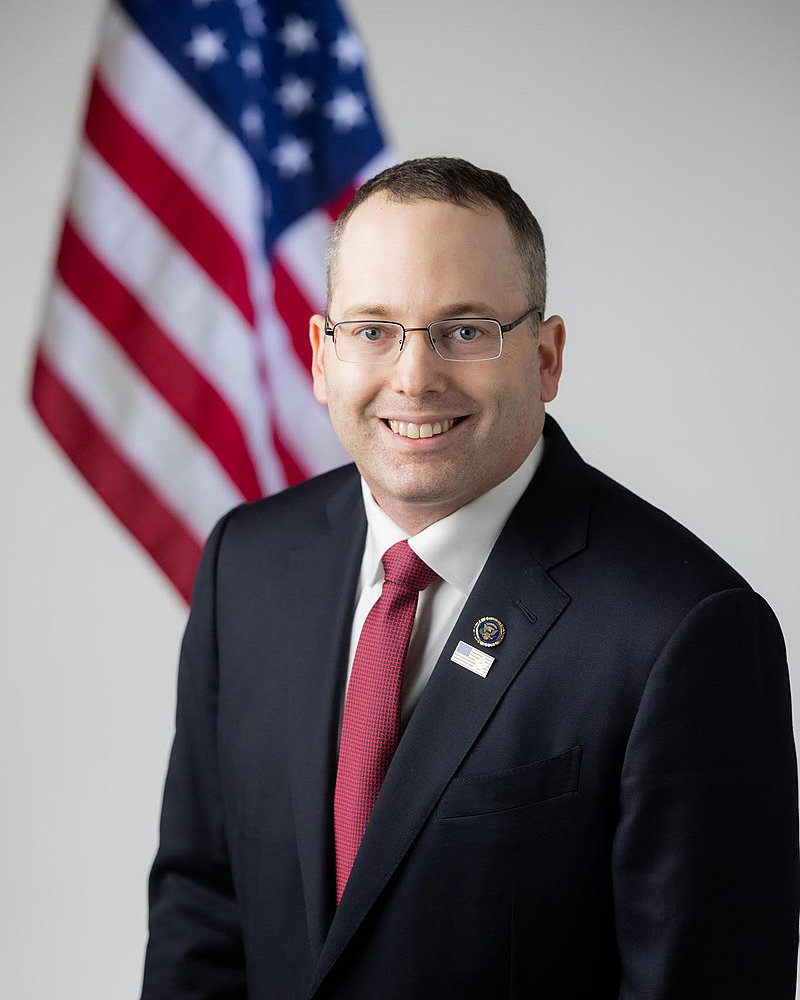
Our Intelligence Director, Everett Stern, learned this firsthand. He exposed HSBC’s laundering of money for drug cartels and sanctioned entities. Major outlets reported what he found, and that public record made the evidence impossible to bury. That experience shapes every matter where a client needs a story told, or a false one stopped.
Sometimes the Only Thing That Moves an Institution Is Attention.
The bank has stopped returning calls. The regulator opened a file and let it sit. The company that defrauded you is still advertising for new customers. You have done everything you were told to do. Still, the people with the power to act decided your matter is not worth their time.
Institutions respond to risk. A complaint from one person is a customer-service ticket. However, put the same documented complaint in a journalist’s hands, and it becomes a potential story. That story is about how the institution treats its customers, its employees, or the public. As a result, the calculation changes for the executive deciding whether to settle. It also changes for the agency deciding whether to investigate and the board judging whether the problem is contained. Publicity is not a substitute for an investigation or a lawsuit. Yet it is often what makes both of them work.
Attention also protects people. Whistleblowers and victims known to the public are harder to retaliate against, harder to ignore, and harder to isolate.
MEDIA STRATEGY & OUTREACH
The Wall Street Journal, The New York Times, BBC, Reuters, and Forbes have reported on our work. So have CBS, Rolling Stone, The Guardian, and others. That coverage came from years of giving reporters what they need. That means accurate information, documented evidence, and sources who hold up under scrutiny. As a result, we have relationships that let us bring a client’s matter to the right person.
The right person is the point. For example, a fraudulent investment platform belongs with a reporter who covers financial crime. A harassment campaign belongs with a journalist who has covered online abuse. And a contractor cutting corners belongs with someone who covers that agency. We know who covers what, how they prefer to be approached, and what they are working on now. That knowledge separates a pitch that gets read from one that gets deleted. We also know how to time a story. A story that runs the week before a regulatory decision, a hearing, or a shareholder meeting hits differently. A story that runs at random does not.
- Story verification: The investigation that establishes what can be substantiated before anything goes out.
- Media packaging: A clear narrative, a timeline, an evidence index, and a source who is prepared, in the form reporters need.
- Targeted outreach: The matter brought to the journalists and outlets best positioned to tell it, by people they already trust.
- Press releases: Written, distributed, and timed for effect, with the documentation to back every claim.
- Timing strategy: Coordinated with legal, regulatory, and business calendars so coverage lands when it matters.
- Source protection: Protecting the identity and safety of whistleblowers and victims who cannot be named. Whistleblower Assistance
Can you guarantee a story will run?
No. Editorial decisions belong to journalists and their editors. Any firm that promises coverage is either lying or paying for it. However, we can promise to investigate and document your matter. Then we bring it to the right people in a form they can act on.
SOCIAL REACH & AMPLIFICATION
Media coverage is one channel. Direct reach to the public is another, and often the faster one. Tactical Rabbit maintains an active, engaged audience across social platforms. We built it through years of investigative work and public commentary on fraud, corruption, and national security. So when a client’s matter needs to be seen, we can put it in front of that audience directly. We can also amplify coverage once it runs. Then we keep the matter visible after the news cycle moves on.
Social amplification also does something traditional media cannot. It reaches other victims of the same scheme and other employees who saw the same conduct. It also reaches other customers treated the same way. Those people become witnesses, sources, and plaintiffs. More than once, a single post has turned one client’s complaint into a pattern no institution could dismiss.
REPUTATION DEFENSE
The same tools also work in the other direction. Bad actors attack individuals and organizations with false narratives, manufactured reviews, and coordinated social campaigns. They also use impersonation and selectively framed reporting. Reputation defense is not a matter of shouting louder. Instead, it means establishing the facts and identifying who is behind the attack. Then it means putting the documented truth in front of the people who matter. That includes the journalist writing the follow-up and the platform reviewing the takedown. It also includes the customer or board member deciding what to believe.
- Attack attribution: Who is behind the campaign: competitors, former insiders, hired operators, or anonymous accounts.
Cyber Investigations - Fact establishment: What is actually true, documented so the response can be made with confidence.
- Strategic media response: Corrections, statements, and background briefings to reporters, built on evidence rather than denial.
- Message development: A clear, defensible account for executives, spokespeople, and counsel.
- Platform and takedown support: Evidence packages for impersonation, fake profiles, and defamatory content on social and review platforms.
- Narrative management: Ongoing monitoring and response as the story develops, so the documented version becomes the one that sticks.
Can you get a false article or post removed?
Sometimes. We use platform processes supported by evidence, or work through counsel where the content is defamatory. However, we do not guarantee removal. What we reliably do is establish the facts. Then we put a documented account in front of the people who will read the false one.
REPUTATION MONITORING
Reputation attacks rarely begin with the article. Instead, they begin with a post, a review, a new account, a leaked document, or a reporter’s first call. So we monitor media, social platforms, review sites, forums, and the open web. We track mentions of the client, its executives, and its brand. Then we assess which signals are noise and which are the beginning of something. Finally, we respond early, while a correction or a quiet conversation still works.
Not Every Matter Should Be Made Public. Part of Our Job Is to Say So.
Publicity can complicate active litigation. It can also interfere with a law enforcement investigation that is quietly progressing. If the facts are not nailed down, it can expose a client to defamation claims. And it can burn a source who needs protection. That is why we coordinate with your attorney before anything goes out. We do not publish what we cannot substantiate. We will also tell you plainly when silence is the stronger strategy. In fact, some clients come to us wanting a press release. They leave with an investigation and a law enforcement referral instead.
How We Work
- Confidential intake: What happened, what you have, and what outcome you need.
- Verification: We investigate and document the facts so that what goes out can withstand scrutiny.
- Strategy: With you and your counsel, we decide whether to go public, through which channels, and when.
- Packaging: We prepare the story the way reporters need to receive it. That means a clear narrative, a timeline, an evidence index, and a ready source.
- Outreach: We bring the matter to the journalists and outlets best positioned to tell it.
- Amplification: We extend coverage through our social reach and keep it visible.
- Monitoring: We track the response, correct inaccuracies, and adjust the strategy as events unfold.
Who We Work With
- Victims of fraud and institutional neglect: A bank, regulator, or company is ignoring a documented wrong, and attention is what will move it.
- Whistleblowers: Evidence of wrongdoing that needs daylight, brought forward safely and with the source protected.
Whistleblower Assistance - Executives and public figures under attack: A false narrative, a smear campaign, or coordinated impersonation aimed at you or your family.
- Organizations in a reputational crisis: A story in progress, an activist campaign, or a leak that needs a fact-based response.
Crisis Management - Attorneys and their clients: Matters where public attention strengthens the client’s position, coordinated with litigation strategy.
Need light shined on something? Or a false story stopped?
Is an institution ignoring you? Is someone burying a wrong or spreading a false narrative about you? If so, speak confidentially with us. We will tell you whether going public is the right move, and how we would do it.
Why Choose Tactical Rabbit for Reputation Defense
- An intelligence agency first: We build every story we bring forward, and every defense we mount, on licensed investigation. Reporters trust our packages because we check them first.
- Media relationships earned through coverage: Major outlets have reported our work, including The Wall Street Journal, The New York Times, BBC, and Reuters. Forbes, CBS, Rolling Stone, and The Guardian have too. As a result, we know who covers what and how they want to be approached.
- Reach of our own: An active, engaged social audience built on years of public investigative work. We use it to amplify coverage and surface other victims and witnesses.
- We have been through it: Our Intelligence Director’s exposure of HSBC’s money laundering was one of the most reported financial-crime stories of its time. He knows what public attention does, for and to the person at the center of it.
- Honest about limits: We do not guarantee coverage or removal. We also coordinate with counsel before anything goes out. And we tell you when staying quiet is the better move.
- Licensed and accountable: Florida Class A Private Investigative Agency No. 3500181, operating under Chapter 493. Our Intelligence Director holds Class C License No. C3400428.
FAQ
What is reputation defense?
Reputation defense protects you from false narratives, smear campaigns, and impersonation. We establish the facts and identify who is behind the attack. Then we put the documented truth in front of the journalists, platforms, and people who matter.
Can you get my story in The Wall Street Journal or The New York Times?
We have brought matters to those outlets and others, and they have reported on our work. However, whether an outlet covers a specific matter is an editorial decision we do not control. What we do is bring documented stories to the reporters best positioned to tell them.
How do you decide whether a story should go public?
With you and your counsel, once we establish the facts. First, we weigh the effect on any litigation or law enforcement investigation. We also weigh the defamation exposure and the safety of sources. Finally, we ask whether attention will actually move the institution involved.
I am a whistleblower. Will you protect my identity?
Yes. Source protection is part of the service, coordinated with our Whistleblower Assistance team and your counsel. We do not disclose a source without consent.
Someone is spreading lies about me online. Can you find out who?
Often, yes. Impersonation, fake accounts, and coordinated campaigns leave trails that digital forensics and open-source intelligence can follow. We tell you what the evidence supports and at what confidence level.
Do you write and distribute press releases?
Yes. We back every claim with documentation, and we time and target each release rather than spraying it.
Do you work with my attorney?
Always, where there is one. Nothing goes out that counsel has not had the opportunity to review for litigation or defamation risk. We are not a law firm.
Can you also handle the investigation and the law-enforcement referral?
Yes. That is the point of working with an investigative agency rather than a PR firm. The investigation, the referral, and the public strategy all come from one team. And that team works from one set of facts.
What does it cost?
We scope and quote each engagement after a confidential intake. Before you commit, we tell you plainly whether going public is likely to help.
Disclaimers
No one can guarantee that a story will run, how it will be framed, or when. Editorial decisions belong to the journalists and outlets that make them. We do not guarantee the removal of any content, the outcome of any platform process, or the response of any institution.
What we can promise is that your matter will be investigated, documented, and brought to the right people in a form they can act on, and that it will be amplified to an audience that is already paying attention. Tactical Rabbit LLC is a Florida Class A Private Investigative Agency (License No. 3500181). We are not a law firm; the decision to go public is made with your counsel.
Take Control of Your Story.
Speak confidentially with us about whether going public is the right move. Or ask how to stop a false story that is already out.
Tactical Rabbit LLC · Florida Class A License No. 3500181 · Licensed by the Florida Department of Agriculture & Consumer Services · Services Compliant with Florida Statutes Chapter 493